
Views: 0 Author: Site Editor Publish Time: 2025-07-07 Origin: Site


Anionic polyacrylamide (APAM) is a water-soluble, high molecular weight polymer that has become an essential tool across multiple industries for solid-liquid separation. As a type of polyacrylamide, it carries negatively charged (anionic) functional groups along its molecular backbone. These charges make it particularly effective at attracting and binding positively charged or neutral suspended particles in water, forming larger aggregates known as flocs that quickly settle under gravity.
While the general mechanism of flocculation is the same—bridging particles and neutralizing charges—the actual performance of APAM depends heavily on selecting the right type and applying it correctly. Choosing an inappropriate molecular weight, charge density, or formulation can lead to inefficient treatment, increased chemical costs, or even operational issues in downstream processes.
This is why understanding the key parameters of anionic polyacrylamide and how they relate to different applications is critical for engineers, plant managers, and contractors seeking the best results.
One of the most important characteristics of anionic polyacrylamide is its molecular weight, typically ranging from 6 million to 25 million Daltons. This refers to the length of the polymer chains.
Higher molecular weight APAMs have longer chains, which can bridge particles more effectively over greater distances. This generally results in the formation of larger, stronger flocs that settle rapidly. They are ideal for treating suspensions with fine particles that would otherwise remain dispersed.
Lower molecular weight APAMs produce smaller flocs and are better suited for suspensions where overly large flocs could block filters or disrupt downstream equipment.
Selecting the appropriate molecular weight ensures optimal sedimentation speed without compromising the clarity of the supernatant water or the performance of filtration systems.
Charge density refers to the proportion of anionic (negatively charged) sites on the polymer chain. This is typically expressed as a percentage.
Higher charge densities mean more negative sites are available to neutralize positively charged particles, enhancing flocculation in wastewater rich in metal hydroxides or other cationic contaminants.
Lower charge densities are more suitable when treating suspensions with fewer cationic particles or when gentle floc formation is desired to avoid breaking fragile solids.
Matching the charge density of APAM to the charge profile of the particles in the slurry is critical for achieving effective flocculation without overdosing.
Anionic polyacrylamide is commonly supplied as:
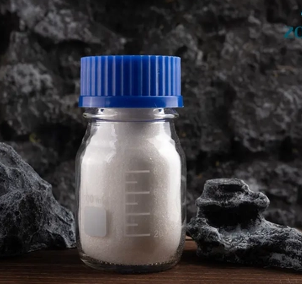
White powders or granules: These are the most common form. They have excellent shelf life and are cost-effective but require proper preparation—typically dissolved at concentrations of 0.1% to 0.3% in clean water before use.
Liquid emulsions: These can be dosed directly with inline mixers and are faster to activate, making them practical for continuous processes. However, they may have a shorter shelf life and require careful storage to prevent separation.
Choosing between powder and liquid formulations depends on site logistics, available preparation equipment, and dosing system capabilities.
The optimal type of anionic polyacrylamide varies depending on the industry and specific water chemistry:
Industrial wastewater (steel mills, electroplating, chemical plants): Often contains positively charged metal hydroxides, requiring APAMs with moderate to high charge density and medium to high molecular weight for robust floc formation.
Construction piling mud: Typically features high concentrations of fine clay and silt with slight positive surface charges. Here, high molecular weight APAM with medium charge density works well to rapidly reduce viscosity and enhance sedimentation.
Mineral processing (coal washing, tailings): Requires APAMs that can handle large volumes and diverse particle sizes. Often high molecular weight and tailored charge density to fit the specific ore slurry composition.
Anionic polyacrylamides are most effective in neutral to alkaline pH ranges (7 to 14). Under acidic conditions, the polymer chains may coil more tightly, reducing the effective sites for bridging and slowing floc formation.
Temperature also plays a role:
Cool water (<5°C): Slows dissolution and flocculation kinetics.
Warm water (25-35°C): Ideal for rapid hydration and performance.
Very hot water (>40°C): Can degrade polymer chains over time, diminishing efficiency.
The presence of salts and multivalent metal ions (like calcium, magnesium, or iron) can influence APAM’s behavior:
Moderate electrolytes can enhance flocculation by stabilizing floc structures.
Excessive concentrations may cause cross-linking, forming gels that do not disperse evenly.
This makes it important to understand the ionic content of process water to select the right polymer grade.
The best way to determine the right polymer type and dosage is through laboratory jar tests. This involves mixing samples of the actual slurry with different types and concentrations of APAM, then observing settling rates and clarity.
Helps identify the optimal molecular weight and charge density.
Establishes the most effective concentration for full-scale operations.
Underdosing: Leads to incomplete flocculation, resulting in cloudy water and poor sedimentation.
Overdosing: Wastes chemicals and can even destabilize the flocs, leading to restabilized fine particles that resist settling. It can also interfere with downstream filtration and dewatering equipment by clogging pores.
Pilot-scale trials in actual process lines validate lab findings and ensure the polymer performs under real-world flow rates and equipment conditions.
Properly selected and dosed APAM can:
Increase throughput in thickeners by speeding up solids settling.
Improve the efficiency of sedimentation tanks, leading to clearer overflow water.
Enhance filtration by building flocs that are easily captured on filter media.
Support more effective sludge dewatering, producing drier cakes that are cheaper to handle and dispose of.
When choosing an anionic polyacrylamide, consider compatibility with your existing:
Mixing and dosing equipment: Does your system support powder hydration tanks or inline liquid emulsion mixers?
Pumps and pipelines: Are they suitable for handling viscous polymer solutions without blockages?
Downstream systems: Ensure flocs formed do not shear easily under pumping or centrifuge forces.
Anionic polyacrylamides are non-toxic, non-corrosive, and generally considered environmentally safe. While the polymer backbone itself is not readily biodegradable, the very low residual monomer (acrylamide) content—typically below 0.05%—means there is minimal risk to water bodies when used as recommended.
Choosing certified grades with low residual monomer is essential, particularly in applications that might release treated water to natural streams.
Store APAM powders in a cool, dry place to prevent clumping and maintain performance.
Handle solutions with basic PPE like gloves and goggles to avoid skin or eye irritation.
Clean up spills promptly—polyacrylamide solutions can be extremely slippery.
Selecting the right anionic polyacrylamide isn’t a one-size-fits-all decision—it demands thoughtful consideration of factors like molecular weight, charge density, and the specific slurry or wastewater conditions, including pH, temperature, and ion content. Just as crucial is fine-tuning dosage through jar tests and pilot trials to ensure optimal flocculation, cost control, and protection of downstream systems. By carefully addressing these aspects, plant operators and contractors can achieve clearer water, quicker settling, and more sustainable, cost-efficient operations. Whether you’re handling industrial effluent, construction mud, or mineral tailings, anionic polyacrylamide is a proven ally. To explore tailored solutions, visit Zoomri or connect with their team for expert guidance.
 苏公网安备 32100302010854号


