
Views: 0 Author: Site Editor Publish Time: 2025-06-30 Origin: Site


Anionic polyacrylamide(APAM) is a specialized water-soluble polymer that plays an increasingly critical role in modern oil exploitation. Known for its unique chemical structure and versatile performance, anionic polyacrylamide is engineered to meet the rigorous demands of oilfield operations. This polymer is carefully formulated to comply with stringent industry standards, ensuring exceptional quality and reliability in a wide range of oil extraction and treatment applications.
As global energy needs continue to grow, oil companies are under pressure to maximize production from existing reservoirs while minimizing environmental impact and operational costs. Anionic polyacrylamide is a proven solution that addresses these challenges by significantly improving oil recovery efficiency and enabling more effective water-oil separation. Its adaptability and performance make it a preferred choice across the oil and gas industry.
One of the most valuable uses of anionic polyacrylamide is in enhanced oil recovery (EOR) processes. In conventional water flooding, a large portion of oil remains trapped in the reservoir due to high capillary forces and poor sweep efficiency. By introducing anionic polyacrylamide into the injection water, operators can dramatically change the water’s viscosity, improving the mobility ratio between the injected water and the oil.
This means the injected water pushes the oil more evenly through the reservoir, reducing residual oil saturation. As a result, more oil is displaced towards production wells, boosting overall recovery rates. Studies and field applications consistently demonstrate that the addition of APAM can lead to significant increases in oil production, prolonging the economic life of oil fields.
Produced water is an inevitable by-product of oil extraction. This water often contains dispersed oil droplets and fine solids, making it unsuitable for discharge or reinjection without treatment. Anionic polyacrylamide serves as a powerful flocculant and demulsifier, enabling efficient separation of oil from water.
When added to oil-water emulsions, APAM destabilizes the emulsion structure and causes oil droplets to coalesce into larger droplets, which then separate more readily. This not only yields cleaner, oil-free water that can be safely disposed of or reinjected into the reservoir but also recovers additional oil that might otherwise be lost. In this way, anionic polyacrylamide helps operators meet strict environmental regulations and enhances overall resource utilization.
Another critical advantage of anionic polyacrylamide is its ability to aggregate fine particles suspended in oilfield process water. Its long molecular chains, studded with negatively charged groups, interact with positively charged particles or bridge between neutral particles, forming large, dense flocs.
These flocs settle much faster under gravity, leading to rapid sedimentation and improved water clarity. This feature is particularly valuable in treatment facilities that must process large volumes of water quickly and reliably. Whether dealing with suspended solids from drilling mud, fracturing fluids, or produced water, APAM ensures that fine contaminants are effectively removed, protecting downstream equipment and maintaining process efficiency.
Oilfield environments are notoriously harsh, often characterized by high temperatures, elevated salinity, and the presence of multivalent ions. Many chemicals degrade or lose effectiveness under such conditions. However, anionic polyacrylamide is specifically designed to maintain its structure and performance across a wide range of operational environments.
It remains stable in neutral to alkaline pH ranges and tolerates high salt concentrations, ensuring consistent results even in challenging reservoirs. This robust stability minimizes the need for frequent adjustments or replacements, contributing to smoother and more predictable operations.
The use of Anionic Polyacrylamide(APAM) brings oil companies a range of clear operational and economic advantages that directly impact their bottom line and long-term sustainability.
Reduced operating costs: By significantly improving the efficiency of oil displacement during enhanced recovery processes and facilitating faster, more complete water-oil separation, APAM helps reduce the overall energy required to move and process reservoir fluids. This means pumps, separators, and other equipment operate under less strain, lowering maintenance needs and extending equipment life. Additionally, because water quality after separation is already improved, operators often require fewer downstream chemicals for polishing treatments, further cutting operational expenses.
Increased oil output: When anionic polyacrylamide is used to optimize water flooding or polymer flooding operations, it improves sweep efficiency throughout the reservoir. This leads to a more uniform displacement front that captures oil pockets which might otherwise be bypassed. As a result, producers see higher immediate production rates and can extract more total reserves over the life of the well. This improved recovery translates directly into a stronger return on investment and extends the productive lifespan of mature fields.
Simplified water handling: One of the persistent challenges in oil production is managing produced water. With APAM effectively aggregating suspended oil and solids, separated water emerges significantly cleaner. This reduces the burden on filtration or reinjection systems and helps operators reliably meet stringent environmental discharge or reinjection standards at a lower overall cost.
Sustainable operations: Finally, by maximizing resource extraction and minimizing the volume of untreated waste, anionic polyacrylamide supports environmentally responsible oilfield operations. Companies can demonstrate better stewardship of both natural resources and the surrounding ecosystem, aligning with modern regulatory and community expectations for sustainable development.
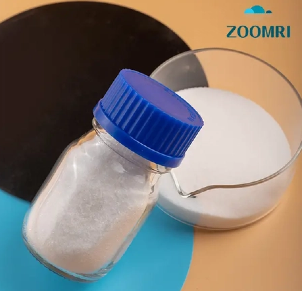
Anionic polyacrylamide is widely applied throughout oilfield processes, including:
As discussed, APAM is a cornerstone of polymer flooding and water flooding strategies aimed at maximizing oil extraction from reservoirs that no longer respond well to primary or secondary recovery methods. It is typically injected as a dilute solution to improve the viscosity of the displacing water, sweeping more oil towards production wells.
In drilling operations, anionic polyacrylamide can be used to modify the rheology of drilling fluids, enhance cuttings transport, and minimize formation damage. During well completion, it helps stabilize the borehole and control fluid losses.
After oil is brought to the surface, the associated produced water must be treated before reuse or discharge. Anionic polyacrylamide plays a key role in solid-liquid separation, aggregating fine particles and residual oil droplets to facilitate their removal via sedimentation or filtration.
This versatility makes APAM a multi-functional additive that improves process performance at multiple stages of oilfield operations.
Selecting a high-quality anionic polyacrylamide is essential to realize these benefits. Our APAM products are:
Manufactured to exacting quality standards: We adhere to rigorous production protocols that ensure consistent molecular weight, charge density, and purity. This consistency translates to reliable field performance.
Proven in harsh oilfield conditions: Our formulations are extensively tested to withstand high temperatures, salinity, and the presence of divalent or trivalent ions without losing effectiveness.
Cost-effective and trusted by industry professionals: Because our APAM delivers consistent results, it minimizes waste, reduces downtime, and lowers the total cost of operations. Leading oil companies choose our polymers to drive profitable, efficient, and environmentally responsible oil production.
Anionic polyacrylamide is more than just a chemical additive—it’s a vital driver of modern, efficient, and sustainable oil exploitation. Its ability to boost oil recovery, accelerate water-oil separation, and stay stable under harsh conditions makes it indispensable for today’s oil and gas operations. By choosing advanced APAM solutions from Zoomri, you gain a trusted partner committed to enhancing productivity, cutting operational hurdles, and supporting environmental goals. Whether you aim to maximize yields from mature reservoirs or simplify produced water treatment, Zoomri’s high-quality anionic polyacrylamide delivers superior performance and profitability. Visit Zoomri to learn more or get in touch with their expert team today.
 苏公网安备 32100302010854号


