
Views: 0 Author: Site Editor Publish Time: 2025-07-02 Origin: Site


Anionic polyacrylamide (APAM) is a high molecular weight, water-soluble polymer that stands out as one of the most effective flocculants available today. Chemically, it is a synthetic copolymer of acrylamide with anionic (negatively charged) functional groups that give it the ability to interact with a wide range of suspended particles.
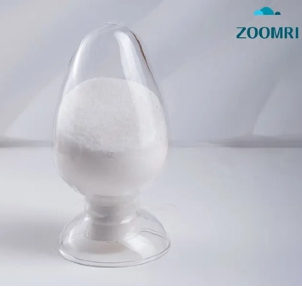
This versatile polymer is typically supplied as a white powder, ensuring both high purity and ease of handling. Its powder form allows it to be easily dissolved in water to prepare solutions at various concentrations suitable for specific process needs. While anionic polyacrylamide is widely recognized in industries such as oil extraction, wastewater treatment, and papermaking, it plays a particularly vital role in mineral processing and mining, where it significantly improves the efficiency of solid-liquid separation processes.
By serving as a powerful flocculant, APAM not only optimizes operational performance but also contributes to reducing water consumption and environmental impact, aligning modern mining practices with growing demands for sustainability.
At the heart of anionic polyacrylamide’s value in mineral processing is its flocculation mechanism. Many mineral processing operations involve suspensions that contain extremely fine particles. These particles often remain dispersed due to natural electrical charges or simply because of their tiny size.
When APAM is added to such suspensions, its long polymer chains and negatively charged sites interact with the surfaces of these particles. It does this by two main actions:
Charge neutralization: Particles that carry a positive surface charge are neutralized by the anionic sites on the polymer.
Bridging: The long chains of APAM can adsorb onto multiple particles at once, effectively “linking” them together.
This process causes individual particles to come together and form larger aggregates known as flocs, which then separate much more easily from the liquid.
One of the most critical challenges in mineral processing is the efficient separation of solids from liquids. Whether dealing with the initial separation of valuable minerals from slurry or managing tailings, the goal is the same: maximize solid recovery while producing the clearest possible water.
By forming larger, denser flocs, anionic polyacrylamide dramatically improves settling rates. These bigger aggregates settle faster under gravity, reducing the time required for sedimentation and improving the throughput of thickeners and settling tanks. The end result is a clearer filtrate, which can either be reused in processing circuits or treated more economically for discharge, and a more concentrated underflow that is easier to handle.
Mining operations inevitably generate tailings—waste slurry that still contains fine mineral particles. Left untreated, tailings not only occupy valuable land but also pose serious environmental risks, such as seepage of contaminants into groundwater.
Anionic polyacrylamide plays a vital role in clarifying and dewatering tailings, helping mining companies produce a more stable, compact, and drier waste stream. This not only simplifies storage and management but also reduces the long-term environmental footprint of mining operations, supporting broader goals of sustainable mining.
The efficiency benefits of APAM extend beyond just faster settling. By effectively removing suspended solids from process water, APAM allows for better water recycling within the mineral plant. Clean process water minimizes scaling and fouling of pipes and equipment, reducing maintenance and downtime.
Moreover, clearer process streams mean downstream flotation, filtration, and concentration steps perform more efficiently, increasing recovery of valuable minerals. This integrated benefit leads to lower energy consumption, since pumps and thickeners can operate under more optimal conditions, and to higher overall throughput for the plant.
All of these advantages translate into direct economic benefits. Faster settling reduces the residence time needed in thickeners, potentially allowing for smaller equipment sizes or higher processing rates without new capital expenditure.
Cleaner recycled water cuts down on fresh water requirements, reducing costs in regions where water is scarce or expensive. Moreover, efficient flocculation means less chemical is required in follow-up treatment steps, and sludge that is generated is more easily handled, lowering disposal expenses. Over time, the use of APAM results in substantial long-term operational savings.
In many mineral processing circuits—whether it’s in copper, gold, iron ore, or phosphate mining—slurries containing ground ore must be thickened to recover water and prepare the concentrate for further processing.
Anionic polyacrylamide is introduced into these slurries to encourage fine particles to clump together, forming large, easily settleable flocs. This allows thickeners and settling ponds to work more efficiently, producing a clear overflow and a dense underflow that is simpler to filter or transport.
As mines strive to improve environmental performance, proper tailings management becomes even more critical. APAM not only speeds up the thickening of tailings but also improves their consolidation. This means tailings deposits are more stable, reducing the risk of dam failures or seepage into the environment.
Some modern operations also employ tailings dewatering systems that, with the help of APAM, can produce near-dry tailings suitable for stacking, drastically lowering the mine’s water footprint.
Process water often picks up suspended solids and organic contaminants. Using anionic polyacrylamide in clarifiers or settling ponds helps remove these impurities, producing cleaner water for reuse or safe discharge. This is especially important for mines operating under strict water reuse targets or regulatory discharge limits.
In certain cases, APAM can also act as a flotation aid, improving the attachment of mineral particles to air bubbles. This enhances the separation of valuable minerals from waste rock (gangue), boosting recovery rates and improving concentrate grades. While more commonly recognized for its flocculation roles, this secondary benefit further highlights the versatility of APAM in mineral processing.
While anionic polyacrylamide (APAM) delivers outstanding benefits, its real-world effectiveness relies heavily on selecting the right product and applying it at the correct dosage. Key factors like molecular weight, charge density, and formulation must be carefully matched to the unique conditions of each mineral processing operation. This selection depends on the type of mineral being processed, the particle size distribution and concentration of solids in the slurry, as well as the pH, temperature, and ionic strength of the process water. The design and operational parameters of thickeners, clarifiers, and other separation equipment also influence performance.
Because these variables can differ significantly from site to site, it’s crucial to conduct laboratory jar tests and pilot-scale trials before full-scale implementation. These tests help determine the optimal polymer grade and dosage, ensuring operators achieve the desired balance of settling speed, clarity, and cost-efficiency. Proper dosing prevents overdosing, which not only increases chemical expenses but can also destabilize flocs or interfere with downstream processes like filtration and flotation. By investing time in precise testing and adjustment, mining operations can maximize the value of APAM, achieving superior process results while maintaining tight control over operational costs.
Anionic polyacrylamide is an indispensable part of modern mineral processing and mining. As a high-performance white powder flocculant, it accelerates solid-liquid separation, enhances tailings stability, boosts mineral recovery, and reduces water use. These benefits drive down costs while supporting the mining industry’s shift toward environmental responsibility and sustainable operations. By integrating APAM, companies achieve cleaner processes, safer tailings storage, and smarter water management. Whether your goal is to maximize mineral yield, lower processing expenses, or meet strict environmental standards, anionic polyacrylamide delivers proven results. Discover how Zoomri’s advanced APAM solutions can elevate your operations—visit Zoomri or contact their team today.
 苏公网安备 32100302010854号


