
Views: 0 Author: Site Editor Publish Time: 2025-06-04 Origin: Site


Sodium chlorate (NaClO₃) is a versatile and powerful chemical compound that plays a crucial role in several industrial applications, particularly in synthetic bleaching processes. As a strong oxidizing agent, it is used in the production of chlorine dioxide (ClO₂), a key compound in various industries, from paper and textile manufacturing to water treatment. Sodium chlorate’s ability to break down complex molecules by releasing oxygen makes it indispensable in these processes.
One of the most significant uses of sodium chlorate is in the production of chlorine dioxide (ClO₂), a potent bleaching agent. Chlorine dioxide is essential in various industries due to its powerful oxidizing properties, and sodium chlorate serves as the primary precursor in its production. The process involves the reduction of sodium chlorate in acidic conditions to produce chlorine dioxide, which is then used for bleaching.
The paper and pulp industry is one of the largest consumers of sodium chlorate, a crucial component in the production of high-quality white paper. Sodium chlorate is used extensively to bleach wood pulp, which is the raw material for paper production. The bleaching process is a critical step in ensuring that the paper meets the required quality standards for brightness, purity, and cleanliness. Chlorine dioxide, produced from sodium chlorate, is the preferred bleaching agent in modern paper-making due to its superior performance and environmental advantages over traditional chlorine gas.
Chlorine dioxide, a powerful oxidizing agent, is widely used in bleaching because it effectively breaks down the lignin and other colored components in the pulp, without the harmful side effects that come with using chlorine gas. One of the most significant advantages of chlorine dioxide over chlorine is that it produces far fewer harmful byproducts. Chlorine gas tends to generate toxic chlorinated organic compounds that are harmful to both the environment and human health. In contrast, chlorine dioxide produces significantly less of these harmful compounds, making it a safer and more environmentally friendly alternative.
In the paper-making process, sodium chlorate is mixed with an acid, usually hydrochloric acid (HCl) or sulfuric acid (H₂SO₄), to create the proper conditions for chlorine dioxide production. This reaction is highly efficient, resulting in the generation of chlorine dioxide, which is then used for the bleaching process.
The steps involved in producing chlorine dioxide from sodium chlorate are as follows:
Preparation of Sodium Chlorate Solution: Sodium chlorate is first dissolved in water to create an aqueous solution. This solution serves as the starting point for the reaction.
Acidification: The sodium chlorate solution is acidified with hydrochloric acid or sulfuric acid. The acid provides the necessary conditions for the reduction reaction, which is crucial for the production of chlorine dioxide.
Chlorine Dioxide Generation: When the acid is added, sodium chlorate undergoes a reduction reaction that releases chlorine dioxide (ClO₂), a powerful bleaching agent. This chlorine dioxide is then used to bleach the wood pulp.
Sodium chlorate, through its conversion into chlorine dioxide, offers several benefits for the paper industry. These advantages make it a preferred choice for many paper manufacturers:
Higher-Quality Paper: Chlorine dioxide provides superior bleaching results compared to traditional bleaching agents. It removes impurities more effectively, resulting in cleaner and whiter paper. This higher-quality product meets the demanding standards of the paper industry and is critical for products like writing paper, magazines, and tissue products.
Reduced Environmental Impact: The use of chlorine dioxide significantly reduces the environmental footprint of the paper industry. Chlorine gas, the traditional bleaching agent, produces toxic byproducts such as dioxins and furans, which are harmful to aquatic ecosystems and can pose health risks to humans. Chlorine dioxide, on the other hand, generates far fewer of these toxic compounds, making the process more environmentally sustainable.
Cost-Effective: Despite being a powerful oxidizing agent, chlorine dioxide is more cost-effective than other bleaching agents. It can be used at lower concentrations compared to chlorine, while still achieving effective bleaching results. This reduces both chemical costs and operational expenses in the paper-making process. Additionally, chlorine dioxide's ability to perform effectively without requiring high concentrations of chemicals makes the overall bleaching process more economical.
Improved Process Efficiency: Chlorine dioxide’s efficiency in breaking down lignin and colored impurities means that fewer processing steps are required. This not only improves the overall efficiency of the production process but also results in energy savings and reduced operational costs for paper manufacturers.
Fewer Toxic Byproducts: The reduced generation of toxic chlorinated organic compounds means that waste disposal and treatment are easier and less costly. This helps companies comply with environmental regulations and reduce the impact of their operations on the surrounding ecosystem.
Sustainability: As the world increasingly shifts towards sustainable manufacturing practices, the use of chlorine dioxide in the paper industry aligns with global efforts to minimize environmental damage. By adopting chlorine dioxide-based bleaching, paper manufacturers can demonstrate a commitment to eco-friendly production methods that not only reduce environmental harm but also appeal to environmentally conscious consumers.
In addition to paper production, sodium chlorate is also used in the textile industry for bleaching fabrics. Chlorine dioxide, produced from sodium chlorate, is used to bleach cotton, linen, and synthetic fibers. The textile industry requires a bleaching agent that can remove natural and synthetic pigments from fabrics without damaging the fibers. Chlorine dioxide, due to its selective bleaching action, is ideal for this purpose.
The process involves similar reactions as in paper bleaching: sodium chlorate is mixed with an acid to generate chlorine dioxide, which is then applied to the fabric to remove the color. This bleaching process is highly effective and helps achieve uniform color across large batches of fabric.
Advantages of using sodium chlorate in textile bleaching:
Selective bleaching: Chlorine dioxide selectively targets natural and synthetic pigments without damaging the fabric.
Environmental benefits: Chlorine dioxide is safer for the environment, as it does not produce harmful chlorinated byproducts.
High efficiency: The bleaching process is more efficient compared to other agents, providing better results in less time.
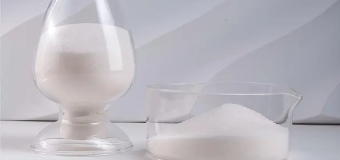
The fundamental chemical reaction that occurs when sodium chlorate is used in synthetic bleaching processes involves the reduction of sodium chlorate to chlorine dioxide. This reaction can be summarized as follows:
Reduction of Sodium Chlorate:
5NaClO3+4HCl→4ClO2+Cl2+2H2O+2NaCl
In this reaction, sodium chlorate reacts with hydrochloric acid (HCl) to produce chlorine dioxide (ClO₂), chlorine gas (Cl₂), and water (H₂O). The chlorine dioxide produced is a powerful oxidizing agent and is used for bleaching purposes.
Bleaching Action of Chlorine Dioxide:
Chlorine dioxide works by oxidizing the lignin and other colored components in the pulp, breaking them down and removing color. This results in cleaner, whiter paper or textiles.
Sodium chlorate is a highly valuable chemical with diverse applications, particularly in synthetic bleaching processes. Its ability to generate chlorine dioxide, a powerful bleaching agent, has made it essential in industries like paper and textiles. Beyond that, sodium chlorate plays a key role in water treatment, chemical manufacturing, and herbicide production, showcasing its versatility across multiple sectors.
As industries continue to focus on sustainability and efficiency, the demand for sodium chlorate is expected to grow. However, its use requires strict safety protocols and environmental management to minimize potential risks. Proper handling and advanced production methods are vital to ensuring its safe and effective application.
At Zoomri, we specialize in providing high-quality sodium chlorate, alongside expert guidance on its safe use in various industrial applications. Whether you need more information or have specific requirements, our team is ready to assist you in optimizing your processes while ensuring compliance with safety standards. Contact Zoomri today to discover how our solutions can enhance your operations and promote sustainable practices in your industry.
 苏公网安备 32100302010854号


