| Availability: | |
|---|---|
| Appearance | MOLECULAR WEIGHT(million) | Solid content | PH Value | Solid content(%) | Dissolving time(min) |
| White powder | ≥16 | ≥88 | 6-8 | ≥88 | ≤50 |
The Job of Polyacrylamide (PAM) as a Paper Dispersant
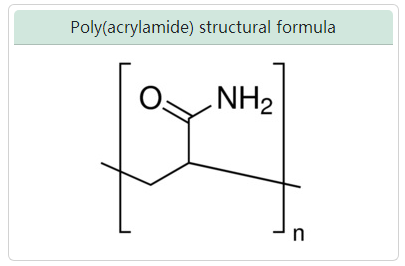
Polyacrylamide (PAM) is broadly utilized as a paper dispersant in the papermaking system. It serves a few significant capabilities in working on the scattering of filaments and fillers in the paper stock. Here is a depiction of the job of PAM as a paper dispersant:
1. Further developed Fiber and Filler Scattering:
PAM goes about as a dispersant by decreasing the agglomeration and flocculation of strands and fillers in the paper stock. It assists with isolating and scatter individual strands and particles, guaranteeing a more uniform conveyance all through the paper stock. This superior scattering prompts upgraded paper arrangement and consistency.
2. Upgraded Maintenance Productivity:
By working on the scattering of filaments and fillers, PAM likewise upgrades their maintenance in the paper stock. It forestalls the deficiency of important materials during the development of the paper sheet. This expanded maintenance proficiency adds to cost investment funds, decreased squander, and further developed paper quality.
3. Decreased Imperfections and Inappropriate Development:
The utilization of PAM as a dispersant assists with diminishing imperfections and ill-advised development in the paper sheet. By forestalling the agglomeration of strands and fillers, it limits the development of spots, bits, and streaks. This prompts a smoother and all the more even paper surface, bringing about better printability and appearance.
4. Upgraded Waste and Dewatering:
PAM helps with the waste and dewatering of the paper stock, further developing creation effectiveness. It decreases the water maintenance of the strands and fillers, taking into consideration quicker water evacuation and more limited drying times. This improved seepage and dewatering add to cost reserve funds and expanded creation rates.
5. Further developed Paper Strength and Execution:
The better scattering of strands and fillers worked with by PAM adds to expanded paper strength and execution. It upgrades the holding between the filaments, bringing about better rigidity, tear opposition, and firmness of the paper. This expanded paper strength guarantees better execution and toughness of the last paper item.
The utilization of PAM as a paper dispersant requires legitimate dose and improvement to accomplish the ideal scattering productivity and paper properties. It is essential to consider factors, for example, paper grade, creation cycle, and end-use applications while choosing and utilizing PAM. Moreover, adherence to industry guidelines and rules for the protected dealing with, stockpiling, and removal of PAM is fundamental to guarantee ecological supportability.
| Appearance | MOLECULAR WEIGHT(million) | Solid content | PH Value | Solid content(%) | Dissolving time(min) |
| White powder | ≥16 | ≥88 | 6-8 | ≥88 | ≤50 |
The Job of Polyacrylamide (PAM) as a Paper Dispersant
Polyacrylamide (PAM) is broadly utilized as a paper dispersant in the papermaking system. It serves a few significant capabilities in working on the scattering of filaments and fillers in the paper stock. Here is a depiction of the job of PAM as a paper dispersant:
1. Further developed Fiber and Filler Scattering:
PAM goes about as a dispersant by decreasing the agglomeration and flocculation of strands and fillers in the paper stock. It assists with isolating and scatter individual strands and particles, guaranteeing a more uniform conveyance all through the paper stock. This superior scattering prompts upgraded paper arrangement and consistency.
2. Upgraded Maintenance Productivity:
By working on the scattering of filaments and fillers, PAM likewise upgrades their maintenance in the paper stock. It forestalls the deficiency of important materials during the development of the paper sheet. This expanded maintenance proficiency adds to cost investment funds, decreased squander, and further developed paper quality.
3. Decreased Imperfections and Inappropriate Development:
The utilization of PAM as a dispersant assists with diminishing imperfections and ill-advised development in the paper sheet. By forestalling the agglomeration of strands and fillers, it limits the development of spots, bits, and streaks. This prompts a smoother and all the more even paper surface, bringing about better printability and appearance.
4. Upgraded Waste and Dewatering:
PAM helps with the waste and dewatering of the paper stock, further developing creation effectiveness. It decreases the water maintenance of the strands and fillers, taking into consideration quicker water evacuation and more limited drying times. This improved seepage and dewatering add to cost reserve funds and expanded creation rates.
5. Further developed Paper Strength and Execution:
The better scattering of strands and fillers worked with by PAM adds to expanded paper strength and execution. It upgrades the holding between the filaments, bringing about better rigidity, tear opposition, and firmness of the paper. This expanded paper strength guarantees better execution and toughness of the last paper item.
The utilization of PAM as a paper dispersant requires legitimate dose and improvement to accomplish the ideal scattering productivity and paper properties. It is essential to consider factors, for example, paper grade, creation cycle, and end-use applications while choosing and utilizing PAM. Moreover, adherence to industry guidelines and rules for the protected dealing with, stockpiling, and removal of PAM is fundamental to guarantee ecological supportability.
| Cationic Polyacrylamide | |||||
| ITEM | SOLID CONTENT | EFFECTIVE PH | BULK DENSITY | MOLECULAR WEIGHT | CATIONIC DEGREE |
| C6005 | 89% MIN | 2.0-9.0 | 0.75-1.0 | 1000-1200 | 5% |
| C6010 | 1000-1200 | 10% | |||
| C6015 | 1000-1200 | 15% | |||
| C6020 | 1000-1200 | 20% | |||
| C6025 | 1000-1200 | 25% | |||
| C6030 | 1000-1200 | 30% | |||
| C6035 | 1000-1200 | 35% | |||
| C6040 | 1000-1200 | 40% | |||
| C6045 | 1000-1200 | 45% | |||
| C6050 | 1000-1200 | 50% | |||
| C6060 | 1000-1200 | 60% | |||
| C6070 | 1000-1200 | 70% | |||
| C6080 | 1000-1200 | 80% | |||
| Cationic Polyacrylamide | |||||
| ITEM | SOLID CONTENT | EFFECTIVE PH | BULK DENSITY | MOLECULAR WEIGHT | CATIONIC DEGREE |
| C6005 | 89% MIN | 2.0-9.0 | 0.75-1.0 | 1000-1200 | 5% |
| C6010 | 1000-1200 | 10% | |||
| C6015 | 1000-1200 | 15% | |||
| C6020 | 1000-1200 | 20% | |||
| C6025 | 1000-1200 | 25% | |||
| C6030 | 1000-1200 | 30% | |||
| C6035 | 1000-1200 | 35% | |||
| C6040 | 1000-1200 | 40% | |||
| C6045 | 1000-1200 | 45% | |||
| C6050 | 1000-1200 | 50% | |||
| C6060 | 1000-1200 | 60% | |||
| C6070 | 1000-1200 | 70% | |||
| C6080 | 1000-1200 | 80% | |||
苏公网安备 32100302010854号