
Views: 0 Author: Site Editor Publish Time: 2025-06-23 Origin: Site


The papermaking industry faces numerous challenges in modern manufacturing, especially with increasing demands for higher quality paper products and more environmentally friendly production methods. One of the key concerns is ensuring that valuable fillers and pigments are effectively retained during the papermaking process while simultaneously improving the strength and durability of the final paper sheet.
In this context, the use of chemical additives, particularly Cationic Polyacrylamide (CPAM), has become essential. CPAM serves as a retention and strength-enhancing agent, improving the interaction between cellulose fibers and fillers and boosting overall paper quality.
Understanding how Cationic Polyacrylamide(CPAM) functions in papermaking requires insight into the chemical and physical interactions occurring between cellulose fibers, mineral fillers, and various additives at the wet end of the paper machine. This early stage in the papermaking process is crucial, as it directly impacts sheet formation, drainage, and the overall quality of the final paper product.
Cellulose fibers, the primary structural component of paper, naturally carry a negative surface charge in aqueous environments. This is due to the presence of carboxyl groups on the fiber surface. Likewise, commonly used mineral fillers such as calcium carbonate, titanium dioxide, and kaolin clay also possess negatively charged surfaces. This mutual negativity leads to electrostatic repulsion between fibers and fillers, making it difficult for these particles to bind together effectively. As a result, fillers tend to remain suspended in the white water and are often lost during the formation and drainage phases, leading to reduced filler retention and inefficient use of materials.
CPAM, a water-soluble polymer, contains multiple positively charged (cationic) functional groups distributed along its molecular chain. These cationic groups are attracted to the negatively charged surfaces of both fibers and fillers. When CPAM is added to the pulp slurry, it begins to neutralize the surface charges, reducing repulsive forces and allowing the particles to come closer together.
Beyond charge neutralization, CPAM acts as a bridging flocculant. Its long polymer chains extend across multiple particles—linking fibers to fillers and even other fibers. This bridging mechanism forms a stable, interconnected network within the pulp, which enhances the physical entrapment of fillers within the fiber matrix.
The result is a dramatic improvement in filler retention, allowing more of the added mineral materials to remain in the paper sheet rather than being lost in wastewater. Additionally, CPAM promotes the flocculation of fine particles and colloidal materials, which improves drainage performance on the wire section of the paper machine. Better drainage leads to faster water removal, reduced energy consumption in drying, and improved sheet formation with greater uniformity.
In short, CPAM enhances the efficiency and effectiveness of the wet end process, helping papermakers produce stronger, higher-quality paper with optimized material usage.
One of the most important benefits of using Cationic Polyacrylamide (CPAM) in papermaking is its ability to significantly reduce the loss of valuable fillers and pigments during the sheet formation process. Fillers such as calcium carbonate, kaolin clay, and titanium dioxide are commonly added to enhance paper properties—specifically opacity, brightness, smoothness, and printability. These materials not only improve the aesthetic and functional qualities of the final product but also help lower production costs by replacing more expensive cellulose fibers.
However, in the absence of effective retention aids, a considerable portion of these fillers can be lost during the wet-end process, particularly during formation and initial drainage. As water drains through the wire section of the paper machine, negatively charged fillers and fine particles are easily carried away with the white water, reducing their presence in the final sheet and creating challenges in white water recovery and recycling.
CPAM addresses this issue by enhancing electrostatic interactions and acting as a bridging flocculant, thereby promoting stronger adhesion of fillers and pigments to the cellulose fiber matrix. This not only minimizes filler loss but also helps maintain a consistent filler distribution throughout the paper sheet.
By improving filler retention, paper mills can optimize their use of raw materials, reduce chemical waste, and improve overall system efficiency. Moreover, better retention results in paper products with smoother surfaces, higher uniformity, and superior printability. These improved surface properties also lead to reduced ink consumption, which is particularly important in high-volume printing applications.
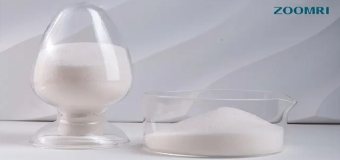
Beyond its role in filler retention, Cationic Polyacrylamide (CPAM) also has a significant positive influence on the physical strength and formation quality of paper. Paper strength is generally classified into two main categories: dry strength and wet strength, both of which are critical for ensuring the durability and performance of paper products in various applications.
Dry strength refers to the paper’s ability to resist mechanical stress, tension, and tearing under normal, dry conditions. CPAM enhances dry strength by promoting tighter and more uniform bonding between cellulose fibers. Through its bridging mechanism, CPAM links fibers together more effectively, forming a more cohesive fiber network. This improved fiber-fiber bonding contributes to better tensile strength, burst strength, and tear resistance, making the paper stronger and more reliable for printing, packaging, and converting operations.
In terms of wet strength, CPAM is not a wet strength resin itself but plays an important supportive role. It improves the retention and distribution of wet strength resins and other strength-enhancing additives throughout the pulp slurry. By ensuring even dispersion and retention of these chemicals, CPAM indirectly increases the paper’s resistance to moisture and enhances its ability to maintain integrity when exposed to water, which is essential in products such as tissue, labels, and specialty papers.
Moreover, CPAM contributes to better sheet formation by flocculating and controlling the distribution of fines and small particles in the slurry. Improved formation leads to uniform thickness, smoother surfaces, and reduced visual or structural defects, such as fiber clumps, holes, or uneven areas. Consistent formation not only improves the appearance of the finished paper but also supports enhanced runnability on printing and converting equipment.
Papermaking involves a complex chemical environment with multiple additives working simultaneously. CPAM is known for its excellent compatibility with other common additives, including aluminum sulfate (alum), starch, and various sizing agents.
Aluminum Sulfate: Often used for pH control and to enhance retention, alum can work synergistically with CPAM. Alum helps floc formation, while CPAM strengthens the flocs and improves retention.
Starch: Used primarily for strength enhancement, starch can be retained more efficiently with CPAM’s bridging effect, leading to better dry strength.
Sizing Agents: CPAM helps distribute sizing agents evenly, improving water resistance and printability.
Importantly, CPAM also positively affects system stability and drainage rates. By flocculating fines and improving water removal, CPAM reduces retention system clogging and enhances machine runnability.
Cationic Polyacrylamide (CPAM) has become a vital component in modern papermaking, delivering key advantages in filler retention, paper strength, and production efficiency. Its charge-neutralizing and bridging properties enable paper mills to enhance product quality, reduce raw material waste, and lower operational costs. As the industry embraces greener and more sustainable practices, CPAM supports this shift by improving water usage, minimizing waste, and enhancing recyclability.
For papermakers looking to stay competitive and eco-conscious, CPAM offers a smart, high-performance solution. To explore how CPAM can improve your papermaking processes, we recommend reaching out to Zoomri—a trusted supplier of high-quality Cationic Polyacrylamide products tailored for the paper industry. Zoomri provides expert support, reliable supply, and technical guidance to help you achieve better results with confidence. Visit Zoomri’s website or contact their team today to learn more about their papermaking solutions.
 苏公网安备 32100302010854号


